Festivals throughout the seasons
|
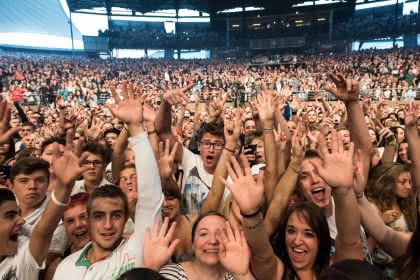
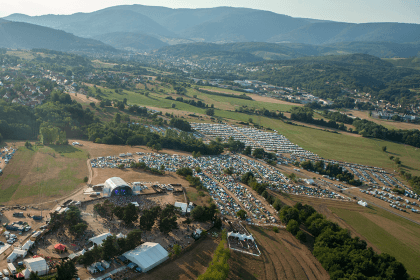
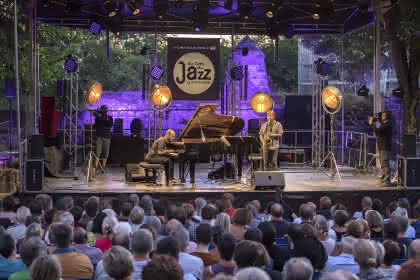
But in Alsace, everything is a good excuse to have a good time throughout the four seasons of the year – harvest, grape-picking, patron saints' days, craftwork, emptying the attic, local produce etc...
Download the brochure «Schedule of events Alsace»
|
|
|
Christmas market, Strasbourg |
| | The Christmas cycle
begins with Advent, four Sundays before Christmas Day. The Advent crown with its candles symbolises the coming of the light. The candles are lit one by one every Sunday. During this period, all sorts of Christmas biscuits are made («Wihnachtsbredle»). The Christmas tree tradition is really a part of Alsace with the first one ever mentioned being in 1521 in Sélestat! Originally, it was decorated with red apples, wafers, paper roses, biscuits and candles. As to offering presents, the Protestant movement in Strasbourg transferred the event from St Nicholas' Day to Christmas Eve in 1570. |
|
|
|
Défilé de Carnaval, Strasbourg |
| | Carnival
marks the coming of Spring and the temporary reversal of the social order. Flaming disk throwers («Schieweschlawe»), a very old ritual game, still exists in some villages (Offwiller, Wintzenheim/Kochersberg). |
|
|
|
Lapin de Pâques - Laemmele |
| | Easter to Whitsun
Easter traditions were initially references to acts of purification with spring cleaning («Oschterputz»), and a dish of green vegetables and herbs served on Maundy Thursday («Gründunnerschda»). Nature being renewed and coming back to life is associated with Easter Sunday. The cake in the shape of an Easter lamb symbolizes the Risen Christ. The Easter rabbit and his eggs are a celebration of the springtime and fertility. On 1st May, it was traditional to plant decorated green shrubs («Maïe») as a promise of love and esteem, and to celebrate the May Queens, young girls who were the messengers of Spring. Whitsun was a time for rituals linked with the vitality of Nature, personified by the Whitsun valets, hirsute figures made out of straw and green plants. |
|
| | Saint-Jean bonfires
At the beginning of Summer, Saint-Jean bonfires, relics of Summer solstice festivals, still burn and light up the skies in Alsace. |
|
|
| | «Messtis»
(from Messtag = day of the Mass) or Kilbe, are fete-days for the patron saints and annual fairs usually held in the Summer. Traditionally, they are held from Whitsun to the Autumn. Among other customs, a greasy pole is erected with sausages, hams, pretzels, bunches of vegetables and sweetmeats hanging from it. The young village lads compete against each other to try and grab them. These messtis are now giving way to another type of festival (flower-decorated cavalcades) and all sorts of other summer events. |
|
|
| | Autumn and winter
After the grain harvests, October is the month of grapepicking. In the old days, as Winter crept in, the evening gatherings would begin. Several families would gather round the ceramic stove («Kachelofe») and various tasks carried out – repairing tools, spinning hemp, cracking walnuts and beechnuts... with all the generations together, telling anecdotes and recounting legends. Saint Martin's Day marked the end of the economic year. A procession with lanterns is still part of the customs today in the Rhineland. In Alsace, beets – not pumpkins - were carved out and lit. It is said that the light paved the way for St. Nicholas' donkey.. |
|